


Sublimation is a key process in freeze drying, essential for preserving foods and pharmaceuticals. However, it’s not a concept we encounter daily, so it can be a bit tricky to grasp. This article breaks down what sublimation is and how it plays a crucial role in freeze drying.
What is Sublimation?
Sublimation is the process where a solid, like ice, changes directly into a gas (water vapor) without becoming a liquid first. This can only happen under certain conditions, specifically when the atmospheric pressure is very low. For example, if you raise the temperature above 0°C (32°F) at a pressure of just 0.06 atmospheres (ATM), the ice warms up enough to turn into vapor without melting into water.
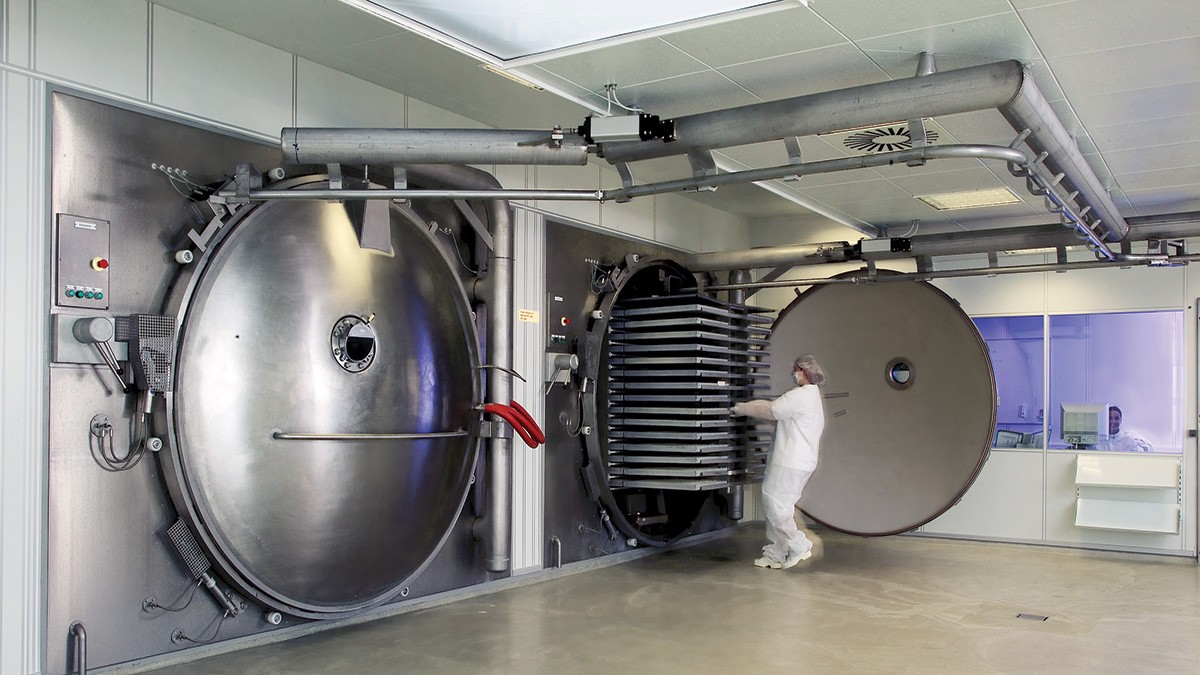
Sublimation in Freeze Drying
So, how does sublimation fit into freeze drying? Let’s quickly review the freeze-drying process first.
Freeze drying is a method used to preserve food and pharmaceuticals by removing moisture. It’s a lengthy process, often taking 20-40 hours, but it’s very effective. Unlike regular freezing, freeze drying happens in three stages: freezing, sublimation (also known as primary drying), and secondary drying.
1. Freezing Phase
The process begins by freezing the product completely. This is usually done through individual quick freezing (IQF), which keeps the ice crystals small and helps preserve the product’s structure. The product is placed in a chamber, sealed, and frozen solid.
2. Sublimation Phase (Primary Drying)
Now, here’s where sublimation comes in. In this stage, vacuum pumps remove the air from the chamber, lowering the atmospheric pressure to below 0.06 ATM. A small amount of heat is then applied to the frozen product. Because of the low pressure, the ice doesn’t melt; instead, it turns directly into water vapor (this is sublimation). By the end of this phase, about 90% of the water in the product is removed.
3. Secondary Drying Phase
After sublimation, the remaining moisture is reduced even further by applying more heat and maintaining low pressure. This stage leaves the product with only 1% to 4% moisture content. The freeze-dried product is then sealed in a moisture-free package, allowing it to stay preserved for several years.
Why is Sublimation Important?
Sublimation is crucial in freeze drying because it prevents the issues associated with traditional freezing methods. In regular freezing, products often thaw and re-freeze, which can lead to mushy food or damaged pharmaceuticals. Sublimation ensures that these problems are avoided, maintaining the quality and integrity of the product throughout the drying process.
Understanding how sublimation works in freeze drying helps explain why this method is so effective for preserving food and other products. It’s a sophisticated process that ensures long-term storage while maintaining the original qualities of the item.
See more: Freeze drying process
