


In modern industrial production, energy consumption has become one of the most critical operational concerns for manufacturers. Rising electricity costs, stricter environmental regulations, and increasing competition are forcing factories to optimize every stage of their production process.
Among all thermal processing systems, industrial drying equipment often accounts for a significant portion of total energy usage. Traditional drying methods frequently waste large amounts of heat through poor insulation, inefficient airflow, and uncontrolled exhaust systems.
This is why many industries are transitioning to Hot Air Circulating Dryers. These advanced drying systems are specifically designed to maximize thermal efficiency while minimizing energy loss. Through intelligent airflow circulation, heat recycling, automation control, and optimized chamber design, Hot Air Circulating Dryers can significantly reduce operational costs while improving drying performance.
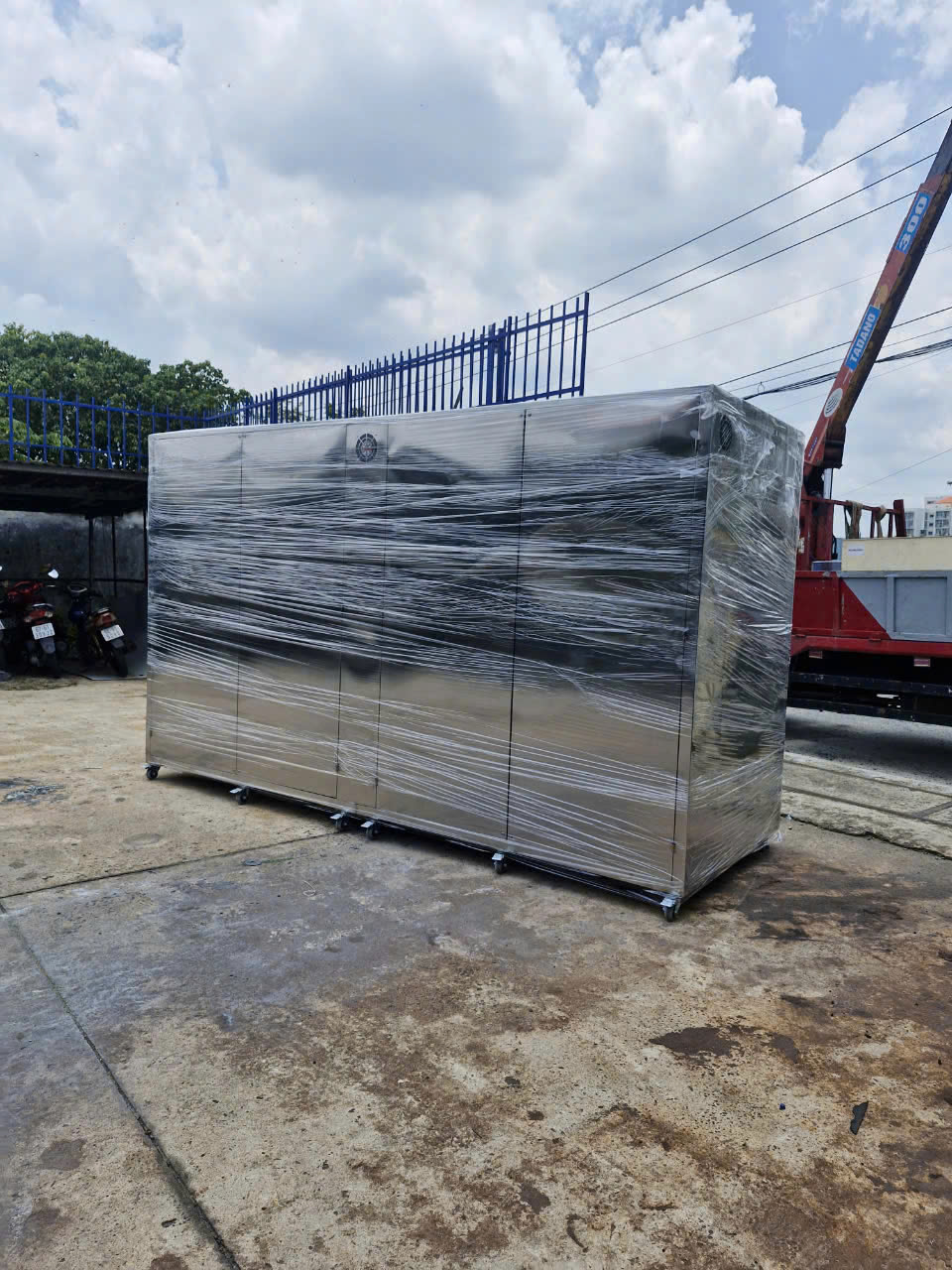
Why Energy Efficiency Matters in Industrial Drying
Industrial drying requires continuous heat generation over long operating periods. In food processing factories, agricultural drying plants, pharmaceutical production lines, and seafood processing facilities, dryers may operate for many hours every day.
If a drying system is inefficient, manufacturers face:
• High electricity bills
• Increased production costs
• Reduced profitability
• Excessive thermal waste
• Higher environmental impact
An energy-efficient drying system not only reduces operational expenses but also improves sustainability and long-term business competitiveness.
How Hot Air Circulating Dryers Save Energy
The energy-saving performance of Hot Air Circulating Dryers comes from multiple engineering improvements working together within the system.
1. Hot Air Recirculation Technology
One of the biggest advantages of Hot Air Circulating Dryers is their ability to reuse heated air inside the drying chamber.
In conventional dryers, large amounts of hot air are continuously exhausted and replaced with fresh cold air. This forces the heating system to constantly consume more energy to maintain drying temperatures.
Hot Air Circulating Dryers operate differently. Instead of discarding all heated air, the system recirculates most of the hot air back through the chamber while only releasing a controlled portion of humid air.
This significantly reduces thermal energy loss and lowers electricity consumption.
Benefits include:
• Faster chamber heating
• Lower heater workload
• Reduced power consumption
• More stable drying temperatures
• Improved thermal efficiency
2. Efficient Airflow Distribution
Efficient airflow management plays a major role in energy conservation.
Industrial circulation fans distribute hot air evenly across all trays and product surfaces. This prevents temperature imbalance and eliminates cold zones inside the chamber.
Uniform airflow allows products to dry faster and more consistently, reducing overall drying time.
Shorter drying cycles directly translate into lower energy usage per production batch.
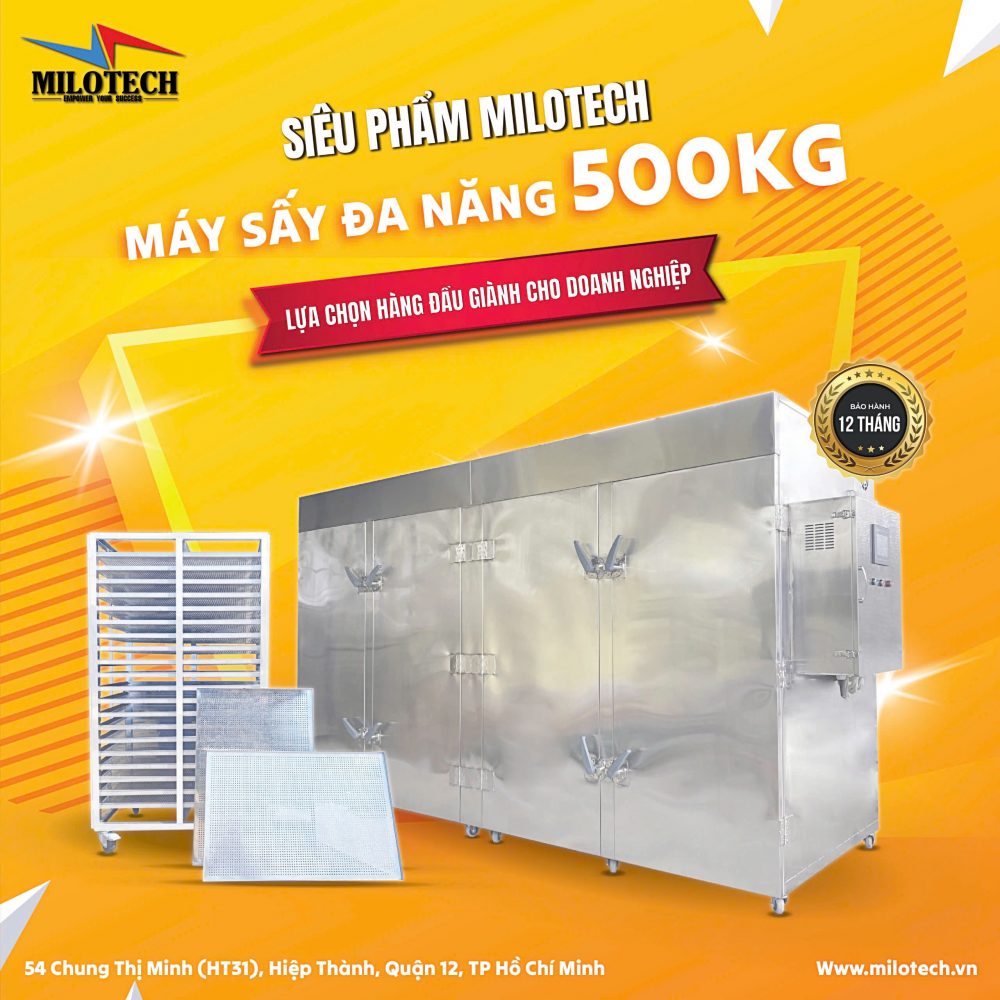
3. Thermal Insulation Design
Another critical energy-saving feature is advanced thermal insulation.
Modern Hot Air Circulating Dryers use insulated chamber walls designed to minimize heat transfer to the outside environment.
High-quality insulation materials help retain thermal energy inside the drying chamber, reducing the need for continuous heating compensation.
Effective insulation offers several advantages:
• Reduced heat loss
• Lower heating demand
• Improved temperature stability
• Better operator safety
• Increased overall efficiency
4. Intelligent PLC Automation
Modern Hot Air Circulating Dryers are commonly equipped with PLC automation systems and HMI touchscreen interfaces.
These intelligent control systems optimize energy consumption by automatically regulating:
• Heater operation
• Fan speed
• Temperature control
• Moisture exhaust cycles
• Multi-stage drying programs
Instead of operating at full power continuously, the dryer adjusts energy usage based on actual process requirements.
Automation reduces unnecessary energy waste while maintaining consistent drying quality.
5. Faster Moisture Removal
The faster moisture can be removed from a product, the less total energy is required for the drying process.
Hot Air Circulating Dryers improve evaporation efficiency through continuous airflow movement. Humid air surrounding the product surface is constantly replaced with dry heated air.
This accelerates moisture transfer and reduces drying duration.
Compared to traditional static dryers, circulating systems can significantly shorten drying time while maintaining lower operating temperatures.
Energy Savings in Different Industries
Hot Air Circulating Dryers are widely used across multiple industries because of their excellent balance between drying performance and energy efficiency.
Common applications include:
• Fruit drying factories
• Vegetable dehydration plants
• Seafood processing facilities
• Herbal medicine production
• Pharmaceutical manufacturing
• Agricultural product drying
• Industrial material processing
In high-volume production environments, even small energy savings per batch can create substantial long-term financial benefits.
Long-Term Economic Benefits
Although advanced industrial dryers may require higher initial investment costs, the long-term return on investment is often significantly greater due to reduced operating expenses.
Energy-saving Hot Air Circulating Dryers help manufacturers achieve:
• Lower electricity bills
• Higher production efficiency
• Faster processing capacity
• Reduced product loss
• Improved product quality consistency
• Lower maintenance costs
Over time, these advantages can dramatically improve factory profitability and production scalability.
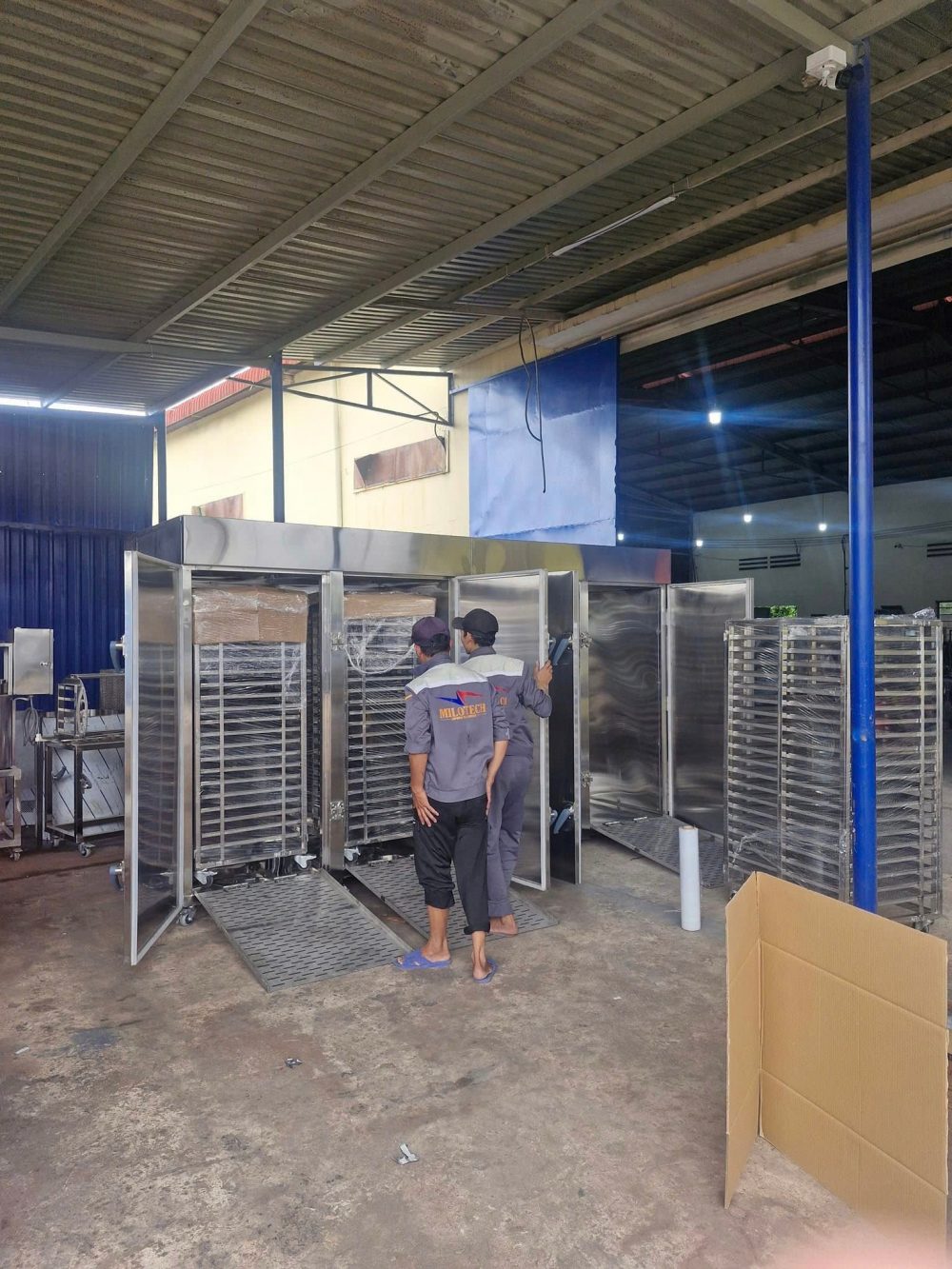
Recommended Energy-Efficient Drying Solution
For manufacturers seeking a high-performance industrial drying system with optimized energy efficiency, the
Milotech K500 Hot Air Circulating Dryer
provides advanced airflow circulation technology, PLC automation, intelligent temperature management, and industrial-scale drying performance.
The K500 system is engineered to reduce energy consumption while maintaining stable drying quality for food processing, agriculture, pharmaceuticals, seafood, and industrial manufacturing applications.
Conclusion
Energy efficiency has become an essential factor in modern industrial drying operations. Hot Air Circulating Dryers offer significant advantages over traditional drying systems through heat recirculation, intelligent airflow control, advanced insulation, and automated process management.
By reducing thermal waste and improving drying performance, these systems help manufacturers lower operating costs, improve productivity, and maintain high product quality standards.
As industries continue moving toward sustainable and cost-efficient production models, Hot Air Circulating Dryers will remain one of the most valuable technologies in industrial processing.
Looking for an Energy-Efficient Industrial Dryer?
Contact Milotech today for professional consultation on industrial Hot Air Circulating Dryer solutions designed for high efficiency and low operational cost.
+84 932 648 979
Milotech Technology Co., Ltd
54 Chung Thi Minh (HT31), Hiep Thanh Ward, District 12, Ho Chi Minh City, Vietnam
