


Drying technology plays a vital role in modern industrial production. Whether in food processing, agriculture, pharmaceuticals, seafood manufacturing, or industrial material processing, the quality and efficiency of the drying process directly impact operational costs, product consistency, shelf life, and overall profitability.
For many years, conventional dryers such as static heating ovens and traditional hot air chambers were commonly used for moisture removal. However, as production demands increased and industries required better quality control, manufacturers began transitioning to more advanced systems like Hot Air Circulating Dryers.
Today, Hot Air Circulating Dryers are considered one of the most efficient and reliable industrial drying technologies because they provide uniform heat distribution, faster drying times, lower energy consumption, and superior product quality compared to conventional drying systems.
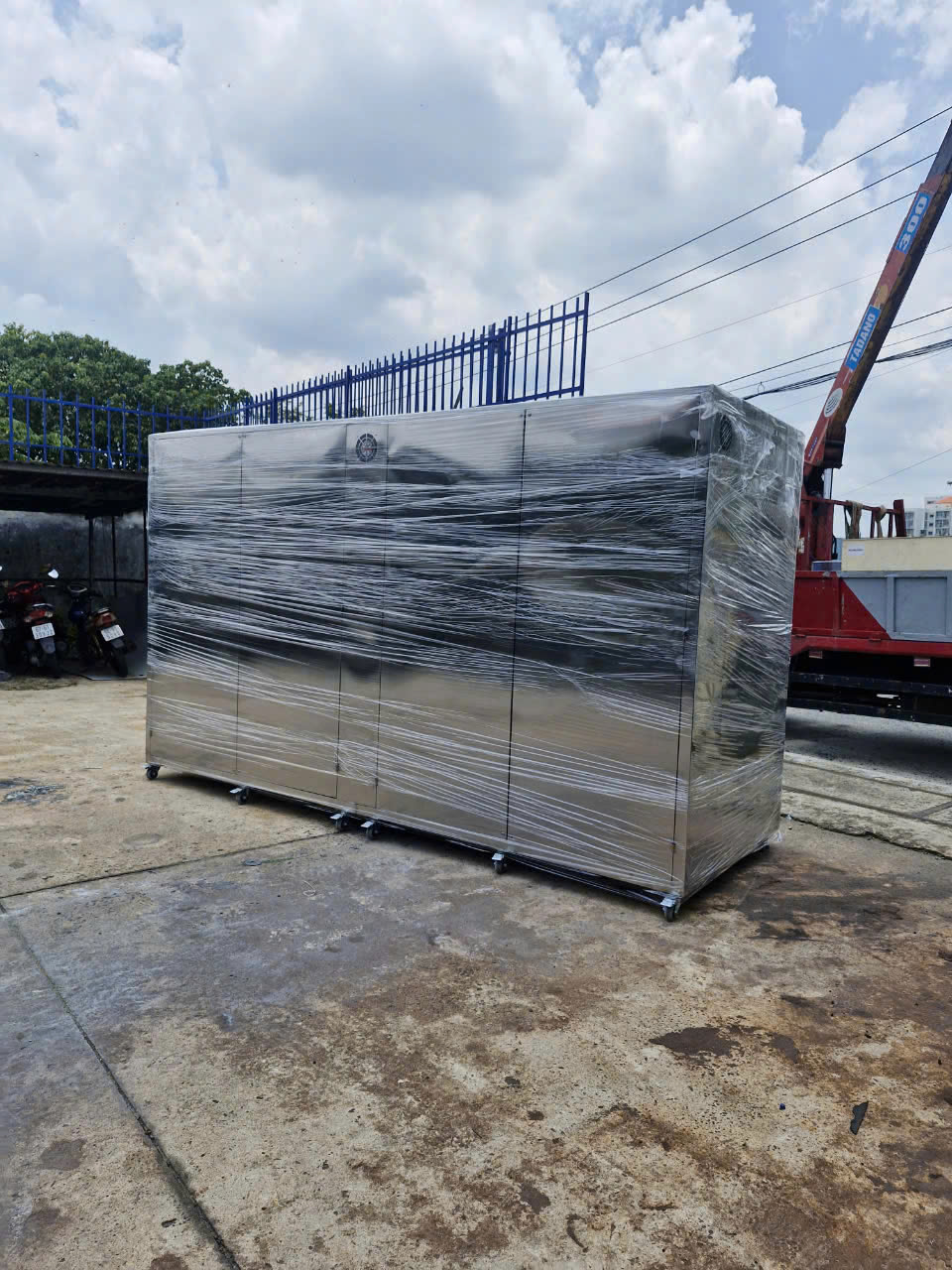
What Is a Conventional Dryer?
A conventional dryer typically relies on static heat or basic airflow to remove moisture from products. In these systems, heated air is generated and introduced into the chamber, but airflow movement is often weak or inconsistent.
As a result, heat distribution inside the drying chamber becomes uneven. Some areas may become excessively hot while others remain cool and humid.
Common types of conventional dryers include:
• Static tray dryers
• Basic hot air ovens
• Traditional chamber dryers
• Sun drying systems
• Non-circulating heating chambers
Although these systems may work for small-scale production, they often struggle to meet the quality and efficiency requirements of modern industrial manufacturing.
What Makes Hot Air Circulating Dryers Different?
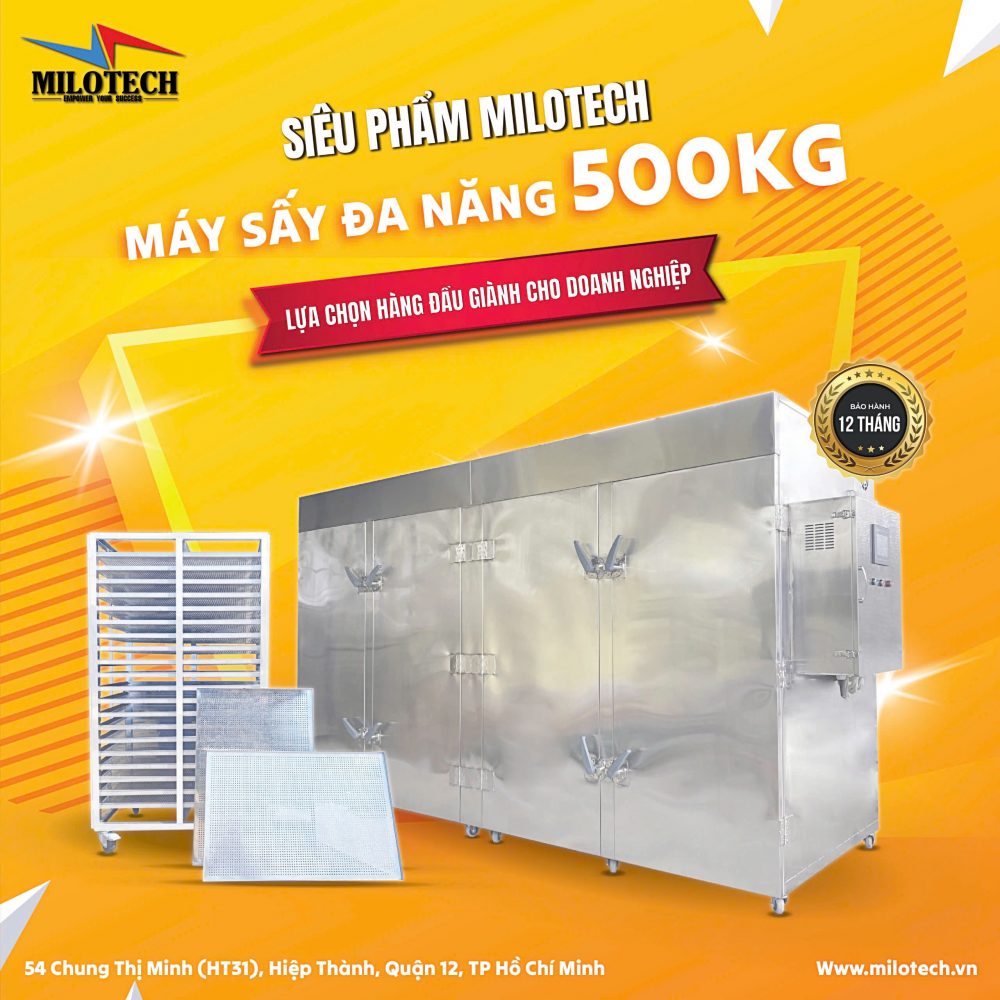
A Hot Air Circulating Dryer uses industrial circulation fans to continuously move heated air throughout the drying chamber. This creates stable airflow patterns that distribute heat evenly across all trays and product surfaces.
Instead of relying on passive heat movement, circulating dryers actively control airflow, humidity removal, and temperature consistency.
This advanced drying method significantly improves drying performance while reducing production problems associated with uneven heating.
Drying Efficiency Comparison
1. Heat Distribution
One of the biggest differences between Hot Air Circulating Dryers and conventional dryers is heat distribution.
In conventional systems, hot air often accumulates near the heating source while other areas receive insufficient heat. This creates hot spots and cold zones that result in uneven drying quality.
Hot Air Circulating Dryers solve this issue through continuous airflow circulation. The heated air moves evenly throughout the chamber, ensuring stable temperatures across all trays.
This results in:
• More uniform moisture removal
• Consistent product quality
• Reduced spoilage risk
• Better food safety performance
2. Drying Speed
Conventional dryers often require longer drying times because humid air remains trapped around the product surface.
In contrast, Hot Air Circulating Dryers continuously replace humid air with fresh heated airflow. This accelerates evaporation and improves moisture transfer efficiency.
Faster drying provides several important benefits:
• Increased production capacity
• Reduced processing time
• Lower bacterial growth risk
• Improved manufacturing productivity
3. Energy Consumption
Energy efficiency is another major advantage of Hot Air Circulating Dryers.
Traditional dryers frequently waste energy because large amounts of heated air escape from the chamber during operation.
Modern circulating dryers are designed to recirculate heated air and minimize thermal loss. Only part of the humid air is exhausted while most of the heat energy remains inside the system.
This significantly reduces electricity consumption and operating costs.
4. Product Quality
Product quality is one of the most important considerations in industrial drying.
Excessive heat or uneven drying can cause discoloration, texture damage, nutrient loss, and inconsistent moisture content.
Because Hot Air Circulating Dryers maintain stable airflow and controlled temperatures, they are much better at preserving:
• Natural color
• Texture consistency
• Nutritional value
• Product structure
• Flavor quality
This is especially important in food processing industries where appearance and taste strongly affect market value.
5. Automation and Process Control
Conventional dryers often require manual monitoring and adjustment during operation.
Hot Air Circulating Dryers typically integrate PLC automation systems and HMI touchscreen controls that allow operators to precisely manage:
• Temperature settings
• Airflow speed
• Drying duration
• Humidity exhaust levels
• Multi-stage drying programs
Automation improves process stability, reduces labor requirements, and minimizes human error.
Industrial Applications Comparison
While conventional dryers may still be suitable for very small-scale operations, Hot Air Circulating Dryers are far more effective for industrial applications.
Industries that benefit from circulating drying technology include:
• Fruit drying factories
• Vegetable processing plants
• Seafood processing industries
• Pharmaceutical manufacturers
• Herbal medicine production
• Agricultural processing facilities
• Industrial material manufacturing
Their ability to provide scalable and repeatable drying performance makes them ideal for modern industrial production environments.
Which Drying Technology Is Better?
For businesses focused on production quality, operational efficiency, and long-term scalability, Hot Air Circulating Dryers clearly outperform conventional drying systems.
Although the initial investment may be higher, the long-term benefits in energy savings, reduced product loss, faster drying cycles, and improved product quality provide significantly better return on investment.
Modern manufacturers increasingly choose circulating drying systems because they support industrial automation, higher hygiene standards, and stable production performance.
Recommended Industrial Drying Solution
For businesses seeking a high-performance industrial drying system, the
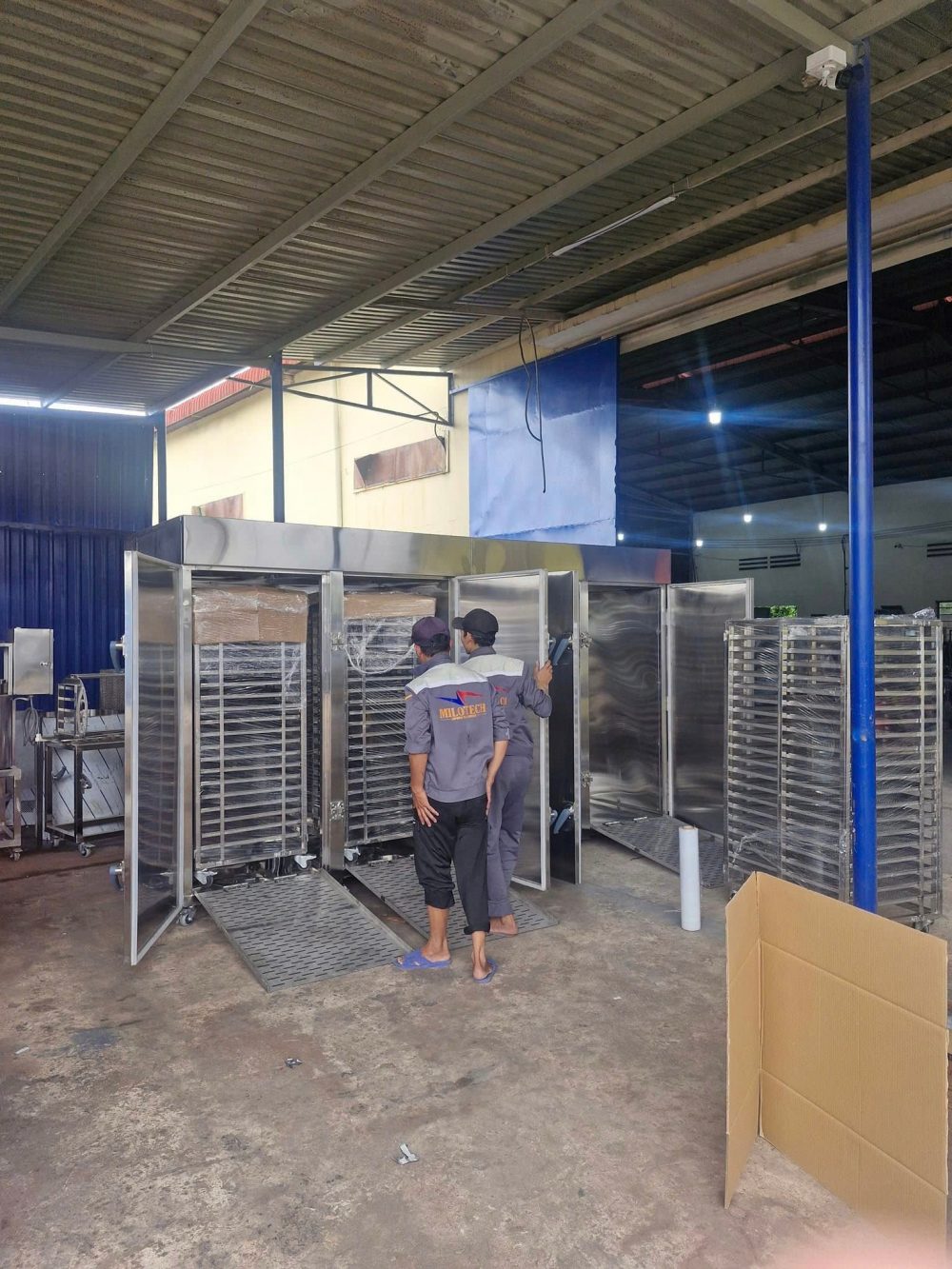
Milotech K500 Hot Air Circulating Dryer
offers advanced airflow circulation technology, PLC automation, dual drying chambers, and industrial-scale drying performance for food processing, agriculture, seafood, pharmaceuticals, and industrial manufacturing applications.
The K500 system is designed to deliver stable drying efficiency while helping manufacturers reduce operating costs and improve product consistency.
Conclusion
Hot Air Circulating Dryers represent a major advancement over conventional drying technologies. Their ability to provide uniform heat distribution, faster drying speeds, lower energy consumption, improved product quality, and automated process control makes them the preferred choice for modern industrial production.
As industries continue to demand greater efficiency and higher quality standards, Hot Air Circulating Dryers will remain an essential technology for food processing, agriculture, pharmaceuticals, seafood production, and industrial manufacturing worldwide.
Need a Professional Industrial Drying Solution?
Contact Milotech today for expert consultation on industrial Hot Air Circulating Dryer systems designed for modern manufacturing and food processing industries.
+84 932 648 979
Milotech Technology Co., Ltd
54 Chung Thi Minh (HT31), Hiep Thanh Ward, District 12, Ho Chi Minh City, Vietnam
